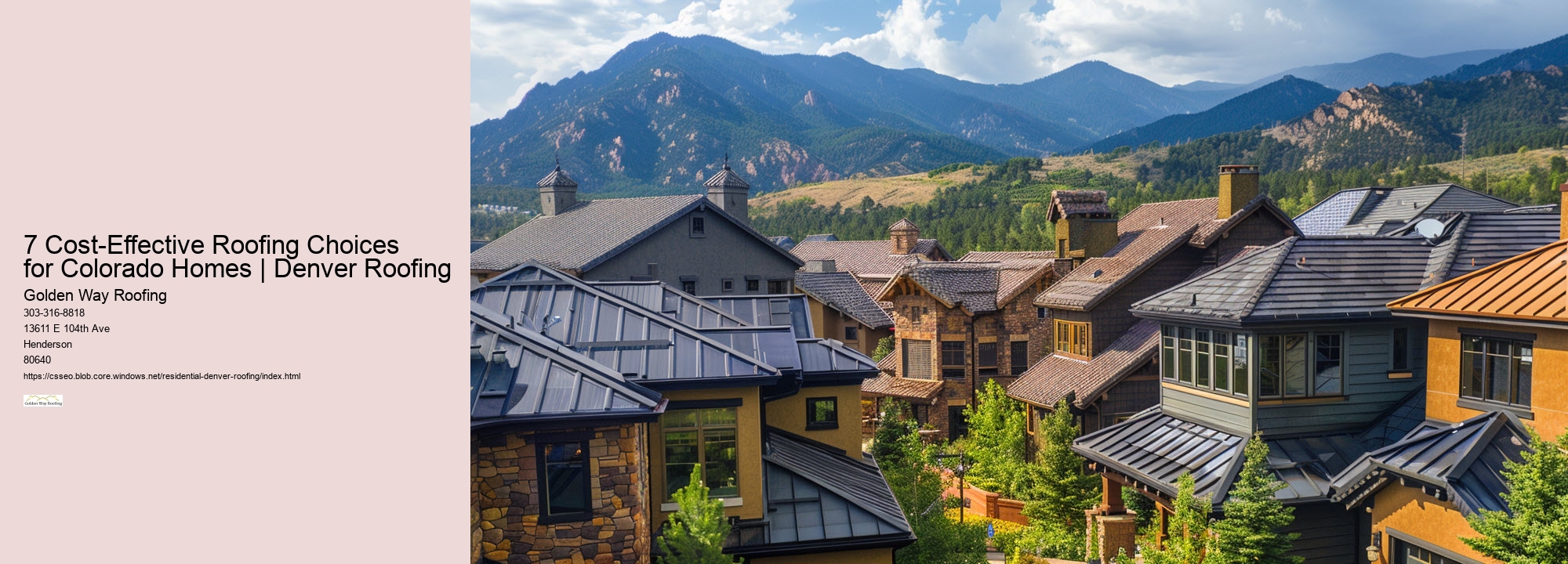
When you're considering roofing options for your Colorado home, importance is key, especially given the state's diverse climate. From the durability of asphalt shingles to the energy efficiency of clay tiles, each material offers unique benefits that could greatly impact your home's performance and aesthetic appeal. However, beyond these popular choices, there are other alternatives like metal roofing, slate, and even green roofs that might align better with your specific needs and environmental conditions. It's vital to weigh these options carefully, considering factors such as longevity, maintenance, and insulation properties. But how do these materials truly stand up to Colorado's harsh weather, and what might be the hidden costs of choosing one over another?
Asphalt Shingles: Affordable Durability
Asphalt shingles offer a cost-effective and durable roofing solution, ideal for Colorado's variable weather conditions. They provide excellent resistance to environmental factors like UV rays, wind, and thermal cycling, which are prevalent in this region. You'll find that these shingles come in a vast array of colors and styles, ensuring you can match them perfectly to your home's aesthetic. The color variety isn't just for looks; lighter colors reflect sunlight, reducing cooling costs during the hot summer months.
Installation ease is another notable advantage of asphalt shingles. They're lightweight and designed for quick installation, which means you can save on labor costs. Most roofing professionals are well-versed in handling asphalt shingles, so finding skilled labor won't be a challenge. The material's flexibility also means it adapts easily to different roof shapes and sizes, a particularly useful feature when dealing with complex roof designs.
Moreover, the maintenance of asphalt shingles is straightforward. Regular inspections and minor repairs can greatly extend their life, making them an even more cost-effective option. Given these benefits, it's clear why asphalt shingles remain a popular choice among Colorado homeowners looking for reliability without breaking the bank.
Metal Roofing: Longevity and Efficiency
In considering metal roofing for your Colorado home, you'll find its durability particularly suited to withstand extreme weather, from heavy snow to hailstorms.
The material's reflective properties contribute greatly to energy savings by minimizing heat absorption, therefore reducing cooling costs.
These efficiency gains, combined with a lifespan that can exceed 50 years, make metal roofing a cost-effective and sustainable choice.
Durability in Harsh Weather
Metal roofing offers unparalleled durability, effectively withstanding Colorado's severe weather conditions, from heavy snow to hail storms. Its snow resistance is outstanding due to its slick surface that facilitates the sliding off of snow, preventing heavy accumulations that can stress structural elements.
Additionally, the inherent strength and interlocking design of metal panels provide exceptional wind resilience, capable of resisting winds that often exceed 140 miles per hour. This makes metal roofing a top choice for areas prone to extreme weather events like blizzards and tornadoes.
You'll find that the combination of these features not only enhances the lifespan of your roof but also reduces maintenance needs, giving you peace of mind during Colorado's unpredictable weather patterns.
Energy Savings Potential
Beyond its durability, metal roofing greatly cuts down on your energy bills by reflecting solar radiant heat, which can reduce cooling costs by up to 25%.
When you're selecting a roofing material, consider how metal roofs support solar integration. The ease of installing photovoltaic panels on these surfaces means you can harness solar energy more efficiently, enhancing your home's overall energy efficiency.
Additionally, metal roofs work seamlessly with advanced insulation strategies. By using radiant barriers or rigid foam insulation, you optimize the thermal envelope, minimizing heat transfer and keeping your home comfortable irrespective of the external temperature.
This synergy between metal roofing, solar technology, and insulation upgrades creates a high-performance roofing system that's both cost-effective and environmentally friendly.
Clay Tiles: Natural Insulation
Moving on to clay tiles, you'll find their durability against Colorado's varied weather conditions exceptional.
These tiles offer significant energy efficiency benefits by providing natural insulation that keeps your home cooler in summer and warmer in winter.
However, you should consider the maintenance requirements and initial cost, which can be higher than some other roofing options.
Durability in Weather
Clay tiles offer exceptional durability against Colorado's harsh weather conditions, thanks to their natural insulation properties. Specifically designed to withstand significant snow loads, these tiles prevent snow accumulation that can lead to structural damage. Their innate snow resistance guarantees that weight distribution remains balanced and consistent, reducing the risk of overload.
Moreover, the hard, dense nature of clay tiles provides substantial resistance to hail impact. During intense storms, lesser materials often crack or break, but clay tiles maintain their integrity, minimizing the need for costly repairs. You'll find that their robust composition not only withstands the brute force of hail but also extends the lifespan of your roof, ensuring long-term protection and reliability.
Energy Efficiency Benefits
While clay tiles excel in durability against severe weather, they also enhance your home's energy efficiency through their superior insulation properties. Their natural thermal resistance slows down heat transfer, keeping your interiors cooler in summer and warmer in winter. This inherent insulating capability means you're not just saving on heating and cooling costs, but also enhancing your home's overall energy footprint.
Moreover, clay tiles are ideal for solar integration. The robust structure supports solar panel installations without compromising the roof's integrity. This synergy between traditional insulation techniques and modern solar technology optimizes your energy savings and contributes to a sustainable home environment. By choosing clay tiles, you're investing in a roofing solution that marries age-old wisdom with contemporary energy efficiency needs.
Maintenance and Cost
Despite their superior insulation properties, you'll find that maintaining clay tiles involves regular inspections and timely repairs to prevent costly damages. The porous nature of clay can lead to moisture accumulation, necessitating vigilant upkeep to uphold their integrity. You should prioritize checking for cracked or broken tiles, especially after severe weather conditions common in Colorado.
The installation speed of clay tiles is generally slower than other roofing materials due to their weight and the need for precision in laying each tile securely. This factor can influence the overall cost of roofing projects. Additionally, exploring warranty options is essential. Manufacturers often offer extensive warranties that cover defects, providing an added layer of financial protection and peace of mind in your investment.
Slate Roofing: Timeless Elegance
Slate roofing offers enduring beauty and unmatched durability, making it an ideal choice for Colorado homes seeking a blend of traditional elegance and robust weather resistance. When you opt for slate, you're investing in a roofing solution that enhances your home's architectural aesthetics while promising decades of protection. However, be aware of the installation challenges. Slate is heavier than typical roofing materials and requires a robust support structure, which can increase initial costs and complexity.
Consider these key aspects of slate roofing:
- Longevity: Slate roofs can last over 100 years with proper maintenance, far outperforming other materials.
- Fire Resistance: Unlike many materials, slate is completely fireproof, offering additional security against wildfires prevalent in some Colorado areas.
- Low Maintenance: Once installed, slate requires minimal upkeep due to its natural resistance to the elements, including mold and mildew.
- Value Addition: While upfront costs are higher, the long-term benefits and aesthetic appeal greatly enhance your property's resale value.
You'll find that slate's initial investment pays off through its durability and minimal maintenance needs. It's a sophisticated choice that combines practicality with timeless beauty, ensuring that your home stands out in both functionality and style.
Wood Shakes: Rustic Appeal
For homeowners seeking a natural, charming aesthetic, wood shakes offer a distinctive, rustic appeal ideal for Colorado's varied landscapes. Wood shakes, crafted from split logs, present a richness and texture that synthetic materials can't match. You'll find a broad color variety ranging from deep browns to silvery grays, allowing these shakes to complement any home's exterior palette.
However, it's crucial to take into account the installation challenges that come with wood shakes. Unlike uniform asphalt shingles, wood shakes vary in size and thickness, which requires meticulous sorting and placement to ensure a balanced look and effective water shedding. This demands skilled craftsmanship and an understanding of proper roofing techniques specific to wood shakes.
Moreover, in Colorado's climate, where conditions can swing from intense sun to heavy snow, wood shakes require regular maintenance to prevent decay and damage. You'll need to treat them with preservatives and fire retardants to enhance their durability and safety. Despite these challenges, the natural insulation properties of wood shakes provide superior energy efficiency, keeping your home cooler in summer and warmer in winter.
Rubber Slate: Innovative and Eco-friendly
Harnessing the latest advancements in roofing technology, rubber slate offers Colorado homeowners an innovative and eco-friendly alternative to traditional materials. This material, synthesized from recycled rubber and plastic, mimics the aesthetic appeal of natural slate without the associated weight and fragility. It's a great choice for you if you're seeking durability alongside environmental responsibility.
Here are some key benefits of choosing rubber slate for your roofing needs:
- Installation Ease: Compared to traditional slate, rubber slate is much lighter, reducing stress on your home's structural integrity. Its flexibility and design allow for easier cutting and fitting, which can lead to faster and less costly installation processes.
- Color Variety: You'll find rubber slate available in a wide range of colors, enabling you to match or completely redefine your home's exterior aesthetic. This variety ensures that there's a style to meet every homeowner's taste.
- Durability: Rubber slate is highly resistant to weather elements, including UV rays and thermal cycling, making it ideal for Colorado's varied climate.
- Cost-Effectiveness: While providing superior longevity and minimal maintenance requirements, rubber slate remains more cost-effective over time compared to traditional slate roofs.
Choosing rubber slate means you're not only opting for an advanced roofing solution but also contributing to a more sustainable future.
Green Roofs: Sustainable Living
While rubber slate focuses on durability and aesthetics, green roofs present a unique opportunity to blend your home seamlessly into the natural environment, enhancing both its sustainability and energy efficiency. You'll find that adopting green roofing isn't just a statement of environmental awareness; it's a practical urban adaptation that offers significant thermal insulation. This insulation reduces your heating and cooling costs, making it economically viable.
Green roofs also contribute to biodiversity enhancement. By incorporating native plant species, you're supporting local wildlife and contributing to urban biodiversity corridors. This isn't essential; it's a critical step toward ecological balance in built environments. As you consider a green roof, you'll need to assess the structural capacity of your home. These roofs require additional support due to the weight of soil and vegetation.
You'll also explore waterproofing solutions and root barrier systems, essential for protecting the underlying structure from water infiltration and root penetration. Maintenance, though more demanding than traditional roofing, primarily involves irrigation and weeding, tasks that connect you with your living roof.
Incorporating a green roof transforms your home into an active participant in environmental stewardship, aligning with energy efficiency goals and urban ecological initiatives. It's a forward-thinking choice that yields both personal and communal benefits.
Frequently Asked Questions
How Do Colorado's Weather Conditions Affect Roofing Material Lifespan?
Colorado's weather extremes have a notable impact on the lifespan of roofing materials.
You'll find that material durability varies with exposure to intense sun, heavy snow, and hail.
For instance, asphalt shingles may degrade faster due to UV radiation and temperature fluctuations, while metal roofs might resist these conditions better but can dent from hail.
It's important to select materials that withstand these challenges effectively, ensuring your roof's longevity and performance in such a variable climate.
Are There Specific Zoning Regulations for Roofing in Colorado?
Yes, Colorado has zoning regulations that may impact your roofing choices, particularly regarding material restrictions in certain areas.
If you're in historical districts, you'll likely face stricter guidelines to maintain the area's aesthetic integrity. It's important to check local codes before selecting your roofing materials.
These regulations guarantee that safety, historical preservation, and community standards are met, so it's vital to adhere to them during your roofing project.
Can I Install Solar Panels on These Roofing Types?
Yes, you can install solar panels on various roofing types, but you'll need to take into account panel efficiency and potential installation challenges.
The efficiency of solar panels can be influenced by the material and slope of your roof.
Additionally, some roofs may pose more complex installation challenges due to their structure or material.
It's crucial to consult with a professional to assess your specific situation and guarantee the best performance and safety of your solar panel installation.
What Are the Insurance Cost Implications for Different Roofs in Colorado?
When considering different roofing types in Colorado, you'll find that insurance cost implications vary greatly. Premium incentives often favor materials resistant to environmental wear, like hail or wind.
The coverage scope can also differ; more durable materials might lead to reduced premiums. It's important to consult with your insurer to understand how your roof choice affects your rates, ensuring you're making an informed decision that aligns with your specific needs.
How Often Should Roof Inspections Occur in Colorado Climate?
In Colorado's variable climate, you should schedule roof inspections at least twice a year. Typically, it's best to check in the spring and fall to assess any seasonal impacts from winter snows or summer storms.
These inspections can help you catch potential issues early, potentially lowering long-term repair costs. Remember, while inspection costs may vary, frequent checks are essential for maintaining your roof's integrity against the harsh local weather conditions.
Conclusion
As you explore roofing options for your Colorado home, consider the varied benefits each material offers.
Asphalt shingles provide cost-effective durability, while metal roofing delivers unmatched longevity.
Clay tiles offer natural insulation, and slate roofing adds timeless elegance.
Wood shakes bring a rustic charm, rubber slate introduces eco-friendliness, and green roofs promote sustainability.
Choose based on your specific needs for durability, aesthetic appeal, and environmental impact to enhance your home's functionality and value.